RSS

Tag Archives: development education

Mali’s dilemma

Mali is once again experiencing its moment of uncertainty caused by the issues of the last few days. On April 30th, loyalist forces clashed with the junta of Mali in an attempt to push out of power the junta. The attempt was less than successful and brought about more bloodshed than even the original mutiny. In the initial mutiny, there was a report (unverified) of 3 presidential guards dying but no harm to civilians. However the latest unrest brought about the death of civilians and injury to many more.

In addition to the sad loss of life, the deeper underlining issue is the difficulty it brings for an already struggling Mali. Mali now has an interim President, a Prime Minister and the transitional government of 24 individuals. It was interesting to note how during this past week of unrest, no word was heard from Diacounda, the interim President. In fact all discussions and addresses to the nation were conducted by the Prime Minister Diarra and the Ministers over the sectors affected by the unrest. It’s almost like Diacounda is sending a message that he does not intend on staying past his 40 days despite what most ECOWAS leaders are pushing for. Time only will tell. His term expires around May 20th. Any attempts on his part or the West African bloc ECOWAS to lengthen his term will only add to the unrest as doing so will cause a change to the constitution that calls for a 40 day term for the interim President.

The other issue that concerns me is the continuing growing refugee situation in the North. The first semblance of aid on a large scale is starting to be seen. It is the hope that as more and more organizations donate, the aid will reach its intended destination. The rebels in the North have continued their attack on basic rights and the three territories of Gao, Kidal and Tombouctou remain hostage. There has been little discussion on what will be done to regain these territories. The only talk I have heard of this is from ECOWAS that want to send in military troops and the junta that are adamantly refusing to allow foreign troops on Mali soil. While it is great that the ECOWAS team would like to send reinforcements, the concern remains about foreigners fighting on Mali soil. In addition, these troops are not up to the task of fighting in the desert. Plus what message does this encourage? This in essence encourages the same evil loop as foreign aid. Once you get into it and someone else controls the effort, there is no need for the population/leaders to themselves be held accountable. I am not saying that we don’t need the ECOWAS help. Logistics and weapons are two things that have been denied the Malian army. Our so called army is defenseless and sending them into war currently is as good as signing their death warrant. However, action needs to be taken soon. To let this fester is to allow the rapes and the imposition of Sharia to continue. To sit back and watch is to give permission to rebels to continue the reign of terror. Something must be done to free our people in the North.

There are meetings that are set to happen between the current leadership, the junta and ECOWAS to discuss how the transition will move forward. Discussions need to happen between all players in the crisis but it is important that the end goal of Mali’s sovereignty and peace not be compromised any further.

Yeah continues to work hard to increase the awareness of the basic freedoms that are being denied to our Malian brothers and sisters. He is currently in the US meeting with individuals and American leaders to raise awareness on the situation in Mali. Yeah said in a recent Voice to America interview: ““Mali needs its partners, but we need to make sure that this is a Malian solution. We cannot make this solution outside of Mali [because] that will be an imposition. We don’t want that and it is not going to be a lasting solution..The people of Mali need to come together and define the terms of how the country should be run during the transition.” (http://www.voanews.com/english/news/africa/Path-to-Restoring-Malis-Democracy-Set-Back-Says-Politician-149761235.html)

Mali cannot afford for this to go wrong any further. Mali deserves its break now. Continue to keep Mali and all Malians embroiled in this crisis in your prayers.

 
2 Comments

Posted by on May 5, 2012 in Past Posts


Tags: , , , , , , , , , , ,

Elections planned

Crazy "lovable" kids

Life in Mali seems to go on without much complaint. Keanen restarted school a week and half ago and thoroughly enjoys it. Even Carmen now is starting to ask when she will go to school, which is a change from a few months back, when the mere mention of the “s” word was enough to induce hysterics. The kids have settled into life in Mali or rather Mali has settled on them. They love the freedom of playing outside (despite the 115F weather) and the walks into the market to buy popsicles. They eat the food with no complaint and honestly seem to be enjoying the people they interact with on a daily basis. That is not to say they don’t miss Utah or the friends they left a year ago. They still talk about them and how they would like to go back and see them. And then the moment passes and they find themselves caught up in another activity or trip to the market. I think that I too have calmed down parent-wise. When I first came here, I worried about where they went and what they ate and how they did certain things. I have been able to trust the perspective what does not kill them will make them stronger. They are good kids, despite their healthy vocal cords and fighting, and I feel blessed to be able to spend time with them.

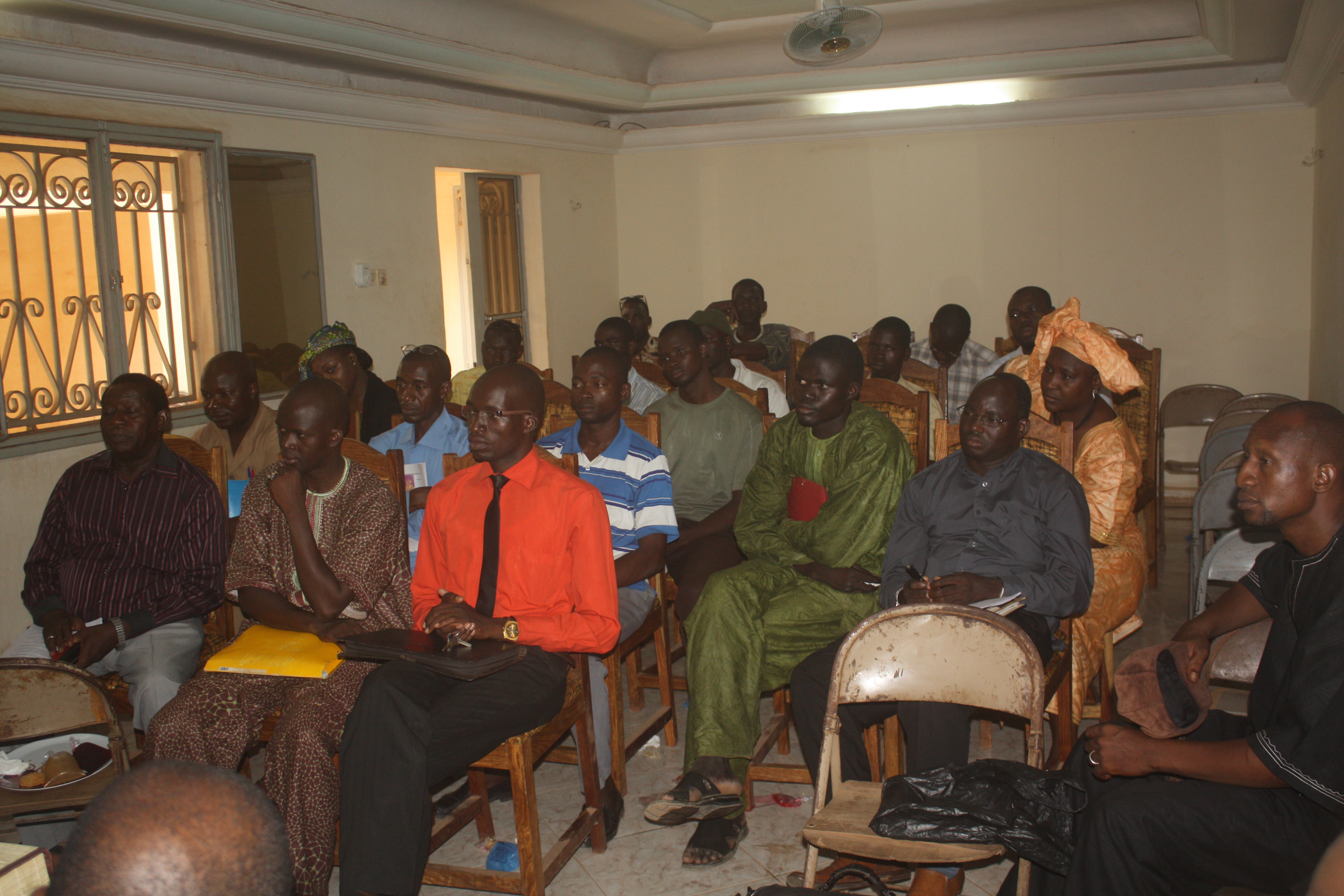
One of many meetings with community leaders

Yeah’s party PACP continues to remain politically active. Now more than ever given the political dilemma Mali finds itself in, it is essential to continue to spread the word about the party and what it stands for. Yesterday, party leaders Fomba and Kone did a leadership training so as to teach community leaders how to spread the word about PACP. By teaching community leaders, they in turn will spread the word and before you know it, there will be a domino effect.

On the political front things seem to be stabilizing. On April 27th, all the ECOWAS members met with the President of Mali and drew up the final installment agreement which decided on the elections and what to do in the North. A positive thing was that elections that were to happen today were decided would happen in 12 months. Two points of the agreement however caused much controversy in Mali today, namely:

  • “The Heads of State and Government decide to bring the transition in Mali over a period of 12 months, during which presidential elections should be held to choose a new President. The Summit also decided to extend the mandate of the transition bodies, including the Acting President, the Prime Minister and the Government over this period of 12 months to ensure, within the limits of the powers conferred on them by the Constitution, the continuity governance of the country.”
  • “The Heads of State and Government decide to take all necessary measures to help Mali in the restoration of its unity and territorial integrity. In this regard, the Heads of State and Government instruct the Commission to start with immediate effect, the deployment of the ECOWAS Standby accordance with the mandate approved.”

What the first point in effect is doing is ignoring the 40 day mandate of the constitution and stating that the interim President Diacounda would in essence serve for the coming 12 months. This has been the constant fear that Diacounda would try, like all other “old guard” politicians, to keep his position for longer. To be honest, there is little Malians have seen him do in the 30 years he held positions in the government. The last 10 days since his inauguration has seen him do even less. Other than his meeting with dignitaries, little has been done on his part (in my opinion) to bring the reunification of Mali. His actions belie someone who is unhurried by current circumstances. It is interesting that ECOWAS should ask that Diacounda remain in power for the term of 12 months. Interesting because Yeah had predicted this very thing would happen and a week ago had an article published that asked Diacounda, in the name of patriotism, to step aside after his remaining 20 days, to quick start the transition. (http://samake2012.com/updates/2012/04/le-coq-dioncounda-must-resign-in-the-name-of-patriotism-after-21-days-to-quick-start-the-transition-declared-yeah-samake-of-pacp/). Many political parties, including Yeah’s group ADPS quickly condemned the blatant disregard for the constitution. One cannot just decide to follow the parts of the constitution that are favorable and then change the parts that one doesn’t like. However, that is exactly what seems to be happening by allowing Diacounda to stay for more than his 40 days dictated by the constitution. Captain Sanogo, who led the March 21 coup, was quick to state in an address to the nation, how the junta would not allow such a violation of the April 6th framework agreement to happen. While it is a concern that the junta still seems to have a strong control over the national TV, it feels like the Malian people do have a protector that isn’t afraid to speak out and also let these power-hungry politicians know that Mali is the first priority and the policies that benefit Mali need to be followed.

The second point of day before yesterday’s agreement will allow foreign forces to conduct a military operation on Mali soil. This is a very sensitive issue. The entire problem has started in January with foreign rebels entering the Northern regions of Mali after the fall of Gaddafi, bringing weapons with them. By allowing ECOWAS to fight Mali’s fight with the rebels is continuing to feed the dependency that has made Mali and most African countries dependent on foreign aid. If a war must be fought, the charge has to be led by the Malian troops supported by the foreign forces in terms of weapons and logistics. These ECOWAS troops are not used to fighting in the desert conditions that are home to the rebels and such an operation could lead to the loss of more lives and more chaos.

Indeed it has been a couple of interesting days politically. But in some sense, you can almost see the young Malian politicians stand up and say to the “old guards”—No more. No more breaking the rules just to suit your power-hungry minds. No more putting self before country. No more sacrificing Mali’s sovereignty to please foreign interests. No more changing the constitution that was built on the 300 souls that perished in the previous coup. No more.

Mali is strong. The fight that is being fought is an essential one. Mali needs to find its own identity so that it may in turn hold its own among African nations. To have other nations build its democracy for it will only cause it to fail again.

Vive la démocratie! (Long Live Democracy), Vive le Mali! (Long Live Mali)

 
Leave a comment

Posted by on April 29, 2012 in Past Posts


Tags: , , , , , , , , , , , , , , , , , , , , , , ,

Developments towards a sustainable democracy

As the political uncertainty hovers around Mali, the average Malian individual’s life has returned back to somewhat of a normalcy. It is not that people do not care. However, there are more important things for the average Malian than what is happening or not happening in central Bamako. Malians have been served a plate of misery and as long as their leaders don’t make their deplorable lifestyles even worse, they will usually not speak out. However, despite this, if one were to ask a Malian what they think about the situation currently, most Malians will just shake their heads in amazement as to how Mali will get out of this dilemma and which leader is honest and capable enough to help do it.

Part of the plan made between the political class of Mali and the junta in Burkina Faso was to choose a prime minister who would then choose a transitional government that would take the country one step closer to restoring democracy. Yesterday, the big announcement came that most of the political circle and international community was watching and waiting for. The announcement of the transitional government.

The agreement reached on April 6th between the ECOWAS and the junta was that the transitional government would be a national unity government. That is it would contain representatives from all national forces. This was not to be and the Prime Minister Cheick Modibo Diarra created a 24-member government without consultation with the political parties, whose members had not served in the prior President’s cabinet.  The breakdown is 21 ministers and 3 deputy ministers. Of the 21 ministers, three army representatives close to military leaders who overthrew the government last month are part of this government. They hold three of the big posts namely, defense, interior and civil protection. 3 of the 21 ministers are women. The way the government was created has caused some unhappiness in the political circles, especially from the bigger parties that have ruled Mali’s political scene for many decades. There was a hope that some of their representatives would have been part of the new government and many of these parties had spent long weeks trying to sweeten the deal with the junta and then the Prime Minister. An interesting fact to note also is that most of these appointed individuals do not have a heavily involved political background. In addition a few have spent a majority of their time outside Mali and have ties to neighboring countries and international institutions.

The appointments are as follows:

1 – Minister of State, Minister of Foreign Affairs and international cooperation: Sadio Lamine SOW

Sadio, has had little political clout in Mali. His main role has been as an aide to Burkina Faso President Blaise Campaoré (the mediator assigned by ECOWAS to help with this crisis). He has worked a majority of his life outside Mali. Having this individual fill this role might come across as a conflict of interest given his close ties to another country’s President.

2 – Minister of economy, finance and Budget: Tiéna COULIBALY

Tiéna Coulibaly is better known in Mali as the Director of the Malian Textile Development Company (CMDT) and former Director of Mali’s Cotton Privatization Agency. Also interesting is that he held the same exact position under President Moussa Traoré, who was overthrown by ATT in the 1991 coup.

3 – Minister of defense and former combatants: Colonel – Major Yamoussa CAMARA (This is a post that is held by one of the junta’s people.)

4 – Minister of internal security and Civil Protection: General Tiéfing KONATE (Another post that is held by one of the junta’s people.)

5 – Minister of public service, governance and administrative reforms and policies, Chargé des Relations with Institutions: Namory TRAORE Mamadou

Dr. Namory TRAORE Mamadou has served as the National Director of Health in the past.

6 – Minister of Territorial Administration, decentralization and development of the territory: Colonel Moussa COULIBALY Sinko (Another post that is held by one of the junta.)

This is an important post given that this individual will work to ensure free and fair elections in all territories. Also this individual before this appointment was the junta leader’s chief of staff.

7 – Minister of trade, mines and industry: Ahmadou TOURE

Interesting fact is that M. Toure is the brother-in-law of the candidate of the URD, Soumaïla Cissé, who was arrested in the wave of arrests recently.

8 – Minister of Agriculture, breeding and fishing: Moussa SIDIBE Léo

M. Sidibe belongs to ADEMA, the same political party as the interim President. He served as the Secretary General for the Ministry of Agriculture under the previous administration.

9 – Minister of youth, labor, employment and vocational training: Mamadou DIAKITE

10 – Minister of health: Soumana MAKADJI

11 – Minister of Education, literacy and the Promotion of the national languages: Adama OUANE

12 – Minister of Justice, keeper of the seals: Malick COULIBALY

A change in what has become norm, M. Coulibaly has been a firm critic of judges and justice in Mali. His classmates from Ecole Nationale d’Administration (ENA Bamako) and colleagues recognize him as “a principled, honest, rigorous work.” His task will be to fight the corruption that has seeped deep into the government.

13 – Minister of Malians abroad and African integration: Ms. TRAORE Rokia GUIKINE

A career diplomat, Ms Traore was Ambassador of Mali to Gabon, technical advisor and director of international cooperation. Before her appointment, she was the secretary general of Soumeylou Boubèye Maiga, former Foreign Ministry.

14 – Minister of Humanitarian Action, solidarity and the elderly: Dr Mamadou SIDIBE

M. Sidibe was a former Director of Human Resources (HR) of Health, Social Development and Promotion of Women and Children. Given the travelling he has done as part of his previous roles, he is recognized as a connoisseur of the country. The expectation on him will be to assess the health and humanitarian situation in the North where the situation is dire.

15 – Minister of the family, the advancement of women and the child: Madam ALWATA Ichata SAHI

Madam Sahi is an active and influential member of the Women’s Movement in the ADEMA party. She also previously served as the African Representative for Afrique de l’ouest de l’Organisation Panafricaine des Femmes.

16 – Minister of energy, water and the environment: Alfa Bocar NAFO

 Served as CEO of the Regional Solidarity Bank (BRS).

17 – Crafts, Culture and Tourism Minister: Mrs. DIALLO Fadime TOURE

A sister-in-law of Madani Diallo, a prominent member of ADEMA and candidate in the 2002 presidential election.

18 – Minister of Communication, post and New Technologies: Hamadoun TOURE

Dr. Hamadoun Touré of Mali has been Secretary General of the International Telecommunication Union (ITU), the specialized agency of the Nations dedicated to information and communication technologies (ICTs), since 2007. He was re-elected for a second four-year term in 2010. Also he was the spokesman for the United Nations mission in Côte d’Ivoire last year and is very close to Ivoirian President Alassane Ouattara.

19 – Minister of equipment, transport, housing and urbanism: Mamadou COULIBALY

20 – Minister of higher education and scientific research: Harouna KANTE

21 – Minister of sport: Hameye Founé MAHALMADANE

M. MAHALMADANE was previously the secretary general of the Free Trade Union of Magistrates (SYLMA) and a very active campaigner against the constitutional reforms initiated by former President Amadou Toumani Toure.

22 – Minister delegate to the Minister of economy, finance and the Budget, Chargé du Budget: Marimpa SAMOURA

23 – Minister delegate to the Minister of the public service, responsible for policy reforms and Relations with Institutions: Yacouba DIALLO

24 – Minister delegate to the Minister of youth, labor and employment and vocational training, responsible for youth and vocational training: Bruno MAÏGA

It will be interesting to watch and see how this new government will operate. While it is interesting to note the lack of political know how of the appointees, it will also be refreshing to not have individuals that have been soaked in bad policies and corruption.  Corruption remains one of the biggest challenges in Malian government and is one of the reasons that ATT lost favor during the last few years. There does seem to be a few players and connections from ADEMA, which lends the perception that the interim president Diacounda Traoré might have pushed the vote in certain party affiliated individual’s directions.

The aim of this transitional government is to set a date for fair and free elections and in essence help the Prime Minister run the government until elections can be held.

Things are progressing in the right direction. The coup has opened up the possibility for Mali to root out the inefficiencies and corruption that was making Mali a democracy in name alone. The hope is that once our territories are returned and our people come back home in the North, then elections can be held that will allow the people to once again choose their leader.

Yeah has said, ““The junta has given us the opportunity to change Mali,” adding that the coup of March 22 exposed the political dysfunction in Mali. Through this crisis, democracy must be rebuilt on a solid foundation. “If we miss this opportunity, the castle of Malian democracy will still grow on the same sand that made it collapse,” Yeah has said. This objective will be achieved when “the old guard agrees to make way for the new generation,” he concluded.

Sounds like the needful is happening. Small steps to a bigger, hopefully better future.

Some recent articles in the news:

  1. Canard Dechaine( in French): Niankoro Yeah Samake, president of the PACP: “We will not accept that Mali is untrustworthy”
    1. English version click here
  2. Zero Hora( Brazilian Newspaper): Interview with Yeah
    1. English version click here
  3. India West: Wife of Malian Presidential Candidate Encourages Democracy
 
Leave a comment

Posted by on April 26, 2012 in Past Posts


Tags: , , , , , , , , , , , , , , , , , , ,

The price of conflict

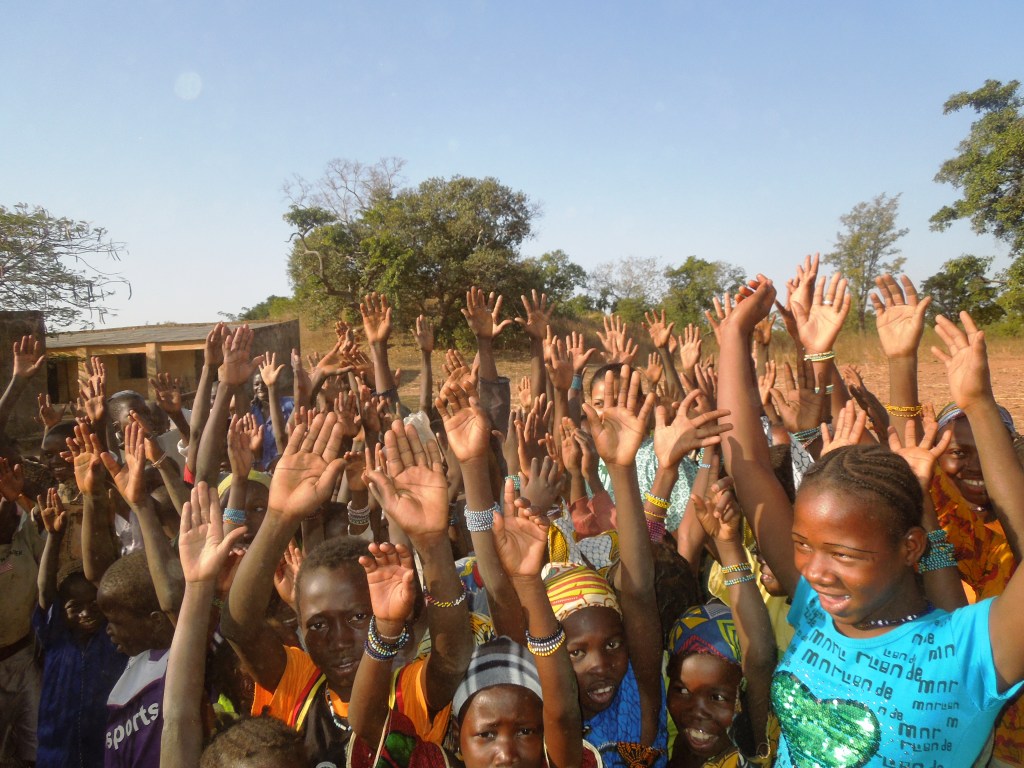
Mali’s present and future. The children celebrate a new school that will be built because of @YeahSamake work with building schools

For many weeks now, I have watched the internal crisis develop in Mali and throw the country into disarray. Many sectors have been affected as the junta dismantled any leadership that governed the different bodies that make up the country. Last week, the country saw the first real sign of returning back to pre-coup time as a new Prime Minister was named. However, the damage has been done and 20 years of democracy crushed in an instant of loss of control cannot be undone as easily.

So far little has been heard from the interim President Diacounda Traoré, in terms of what he is doing to get the country back on track. His term ends in about a month and his job is to do the things that will prepare the country for elections. A big part of that job involves the reunification of Mali and regaining the three lost territories. The job of the Prime Minister is to announce a transitional government. The PM and the transitional government will govern the country till elections happen. Any participant in the transitional government is not eligible to run in the elections. In the past week, there have been many arrests of key figures by the junta with the accusation that there was a threat to national security. The next day these individuals were released as the international community and political figures in Mali spoke out. These kinds of acts add a little uncertainty as to the junta’s role. I am not saying these individuals should not have been arrested but to play this game of catch and release not only destabilizes the community but also makes the whole thing a joke. Right now, the focus should remain on the return of governmental bodies back to a semblance of normalcy. That is what Malians want above all.

Mali has paid a heavy price for the actions of the top political figures. To begin with the “old guards” that allowed Mali to be taken advantage of in return for money/favors. Then the individuals that sat back and let it happen. And finally the junta that caused enough instability and weakness that part of Mali was lost. With the coup came change. As the rebels took over the North, many fled to escape the imposition of Sharia and also the unknown. As the junta made decisions, the international community watched as to how things would work out. Embassies pulled their non-emergency people out. Schools lost many pupils and even my son’s French school has started to look like a shanty town. European stores and restaurants saw a sharp drop in customers and hinted at the reducing expatriate population. The biggest loss however was of humanitarian NGOs that were operating in the different regions of the country. With the increasing uncertainty, many NGOs departed the Northern regions.

What I would like to say is, now more than ever, is that Mali needs all the humanitarian aid it can get. Most Malians get by on less than $1/day. Most can barely even make a $1. Today, I was approached by twin boys about 6 years old that looked no older than 4 because of their size. They came to me and told me they were hungry. My first reaction, as I looked around for their mother, was why you are out here asking for money. Where are your parents? And then I realized when parents cannot provide, then all the family are forced by their circumstances to make the little they can by begging.

I would like to send a message to all the people who read this. My message to NGOs is that Mali does have a future. They need all the help they can get. Now is not the time to abandon aid or run away. Now is the time to protect your investment and trust the Malians to stand by your side as they protect it with you. My message to aid organizations is not to let Mali down. Stay! Help the people. Continue to work in the community making a difference. Our children do need schools and teachers. The women do need to learn self-sufficiency through microenterprise and that they are strong individuals who can be part of a successful Mali. The current situation has hit the common man even more as they struggle to make ends meet. My plea to the international community is to help. Help a fellow brother, sister, mother, father and family. Do not fear that your investment will be in vain. Help because you can and because it will make a difference. Support organizations like UNHCR as they help the refugees. We can make a difference as individuals. The Malian people need your help.

Continue to keep this great nation in your prayers. Pray that they may be blessed with good leaders that put Mali’s needs first. Pray that aid organizations may continue to operate helping nurse back Mali’s failing infrastructure. Then, please spread the word about Mali and how to help. Contact your local organizations and see what they are doing to make a difference.

I am very grateful for all the wonderful support we have received and continue to receive. Mali has many friends and we are grateful that there are so many out there that do care about Mali’s present so that Mali may have a future. Thank you and may God bless all your efforts.

 
3 Comments

Posted by on April 23, 2012 in Past Posts


Tags: , , , , , , , , , , , , , , , , ,

The “forgotten”

As the rain came down in buckets, it brought to end the heat wave of 120F that has hit Mali and all Malians very hard. April is the hottest month usually in Mali and this year, the heat took no breaks. I am blessed that during the hot months, I and my kids can retreat to our air-conditioned house. However, it only served to stress how most Malians cannot afford this basic necessity. To be honest, most part of the country remains without electricity and so even fans remain inaccessible.

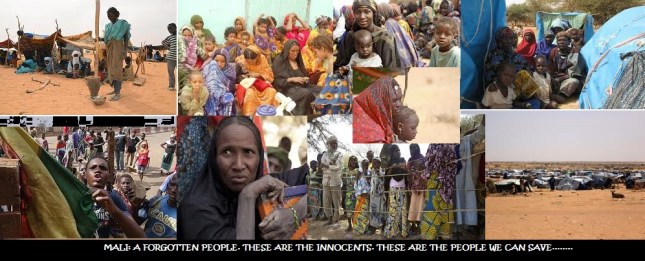
Seeing the rain come down, made me think of the wonderful relief it would bring to the general Malian population. But then the thought hit me. What about all those 235,000 people who are now living in the North without any shelter or food?

As the world focuses its attentions on the “political” crisis in Mali, more and more, the humanitarian issues in the North continue to remain on the back burner. We could be going through the worse humanitarian crisis and it might be too late before anyone takes notice.

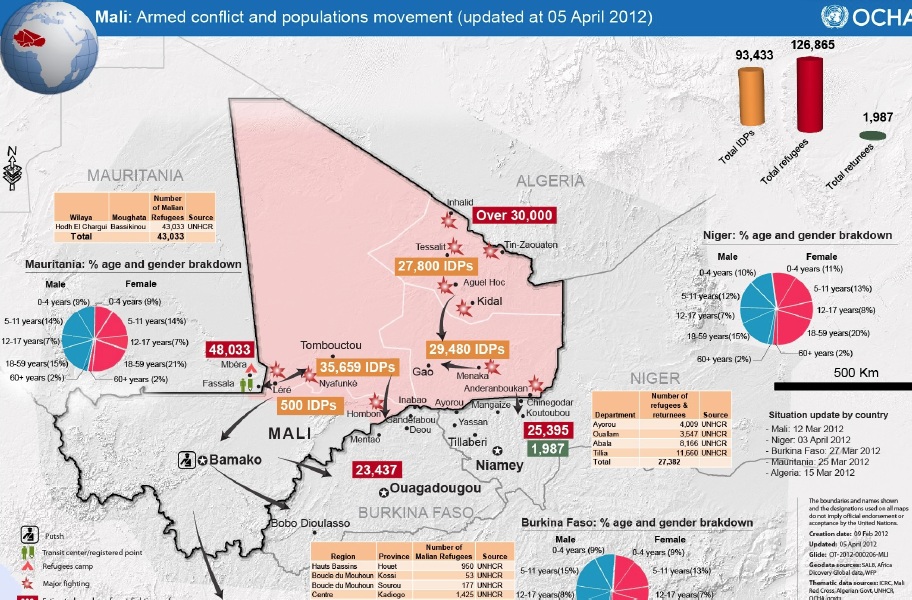
Refugee # as of April 5th

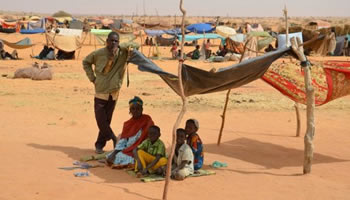
The refugee crisis began in January when Tuareg rebels started a fight for the liberation of the North. The ensuing drought only made matters worse as the nomadic northerners started traveling in search of food and other resources. When the coup hit in March, the crisis deepened and people found themselves fleeing to escape harsh conditions being imposed by the rebels in Gao, Kidal and Tombouctou. In a matter of days, 1500 people were fleeing a day versus the 200 fleeing before the crisis broke. The conditions are best described by the Doctors without Borders based at a camp in Mauritania that has been receiving some of the fleeing refugees. “As the number of refugees increases, so does the pressure for humanitarian response to improve the living conditions within the camp. There are currently 100 communal latrines for 57,000 refugees and just nine liters of water per person, per day. The conditions are below humanitarian standards, which call for 20 liters of water per person per day, and one latrine per 20 people”.

I cannot say this enough. We need to bring in some much needed relief for all Malians that are suffering in the North. Mali, being one of the poorest countries in the world, has been served another plate of misery. The conditions at these camps are deplorable and aid workers are doing the best that they can do. No child deserves to go hungry. No child deserves not to be able to go to school. No mother deserves to watch her child die or not be able to provide them with the basic necessities. No mother deserves to lose a baby because of lack of medical treatment. No family deserves to be separated.

The effects of war are damaging. However, let’s help turn some media attention on Mali’s forgotten people. Contact the media; ask them to cover this crisis. Facebook and tweet about this. Saving a human life is newsworthy! Contact your friends and family. Ask them if they can donate. $1 a day feeds 1 child for a day. If anything we can start by saving 1 child a day. If we band together we can help provide the much needed help for our people in the North.

We are collecting funds right now for the refugee crisis. If you can help please make an online donation at www.samake2012.com (Put Refugee in the comment field) or at a trust set up: Friends of Mali Trust, 472 East 4380 North, Provo, Utah 84604 (Please note the trust is not tax-deductible).

If you can help today, help make a difference. Every little bit helps. Please, please, let’s do what we can. My friend told me that I can’t save the world but I can add my 2 cents in and maybe others would follow. Well friends, I am putting in $100 towards the crisis. Will you join in and create a domino effect? Are you in? Together, lets help contribute to aid for Northern Malians.

 
1 Comment

Posted by on April 20, 2012 in Past Posts


Tags: , , , , , , , , , , , , , , , ,

Personal thoughts

March 21st 2012 meant a lot of things for our family. As we celebrated my son Keanen’s 6th birthday, we awaited news about what was happening in the middle of Bamako. What was happening was a coup that would spell the end for a 20-year-old democracy.

As we watched and waited, we were hit with every sensation you would get when you lose something/someone dear. The disbelief, the shock, the dread, the pain that this can’t be true, the anger at the why and finally a gradual acceptance of what cannot be changed.

As soon as dawn broke, Yeah was in different mode. From campaign mode he switched to firefighter and the diplomat. Now was not the time to be threatening action, now was the time to talk and make a plan on how to proceed. However Yeah was not going to just bow down to the coup. He condemned it on National TV and it was never played. He met with Sanogo and told him where he stood but how the country must move forward. As I watched Yeah go through his private struggle, it hit me how much he really did love his country. Inside, he was seething at what had been taken away but the surface was calm and realistic.  During the two weeks that followed, I saw him lead a difficult schedule. Sleep was the last thing on his mind and there were not enough hours in the day. As the rebels gained hold of first Gao, Kidal and then historic Tombouctou, it felt like the nightmare kept getting worse. What could be done? So Yeah did what he knows best? He became the mediator, the connection, the glue between political parties. His country suffering and divided became his own personal hell. You might think I am exaggerating. There is not one person I know that loves his country more than Yeah does. Every dream or task he has ever pursued ultimately lands up in Mali. Some may see it as carefully planning a political future, but what it really is, is the vision that Mali and Malians everywhere deserve better.

As Yeah became more and more tied up with meetings, to me it seemed like what we had been working towards was blown up. It did not seem like we would have elections. Worse still was the constant fear that something bad would happen. With Yeah so heavily involved with politics and the news spreading like wildfire that politicians were being “detained”, we only had to leave our wild imaginations to wonder why and when our turn would come. Secretly, I had packed a small bag and was ready during the first days to hightail with our kids to Ouelessebougou. Yeah kept asking me to go telling me the kids and I needed to be safe but listening never was one of my better qualities. It’s not that I wasn’t scared for the kids, but it terrified me more to see Mali in essence falling apart. Yeah wasn’t going and neither was I. We were in this together. I wasn’t going anywhere! Soon my attentions got fixed on other things. Making sure the world knew what was going on became important. As reports spread and continued to spread of looting, raping and random acts of violence, I continued to write because I felt that my adopted homeland was under fire for things some of which were not true. As people came out of the woodwork claiming atrocities, my heart was angered because I knew that they were doing it to get their two minutes of fame. As sanctions were threatened, I was angered because no person should have to suffer for the actions of someone else. Sanctions were not the answer, but it did get the intended impact and I understand that. I guess I would never be a good politician. As Azawad was claimed by the rebels, my people in the North went hungry. With every day that passed, 500 more refugees were displaced or escaped across the border. More and more the news became about the coup and people lost sight of the mothers, children, fathers and families that died or became another statistic. That continues to be a fight till today. As things in Bamako got better, a light seemed to shine that democracy would indeed we restored.

On Thursday, an interim President was assigned the job. Optimism is returning that politicians will meet around the table to discuss the situation and how best to get out of the crisis that has gripped Mali. This weekend is testament of that as Yeah meets with Burkina Faso President Blaise Campaoré with 70 other politicians from Mali. The aim is one. To unite Malians in an undivided Mali.

Let us not fail Mali now. Mali, now more than ever, needs good leadership. It needs diplomacy. It needs patriotism. It needs, in my humble opinion, Yeah.

 
11 Comments

Posted by on April 14, 2012 in Past Posts


Tags: , , , , , , , , , , , , , , , , , , ,

A Deal reached ending Sanctions: political aftermath

As yesterday night passed, so did a deal between ECOWAS and the junta. The consensus concurred with the old constitution that the head of the National Assembly would be named as Mali’s next President. The deal came amidst mounting pressure placed on the junta by economic sanctions.

Within two weeks Mali has not only been further weakened but the number of regions it presides over has been reduced by three. AQIM (an Al-Qaeda branch) and the MNLA have taken over the main regions of Gao, Kidal and Tombouctou. The Tuareg claim is one that has been consistent for the past 50 years going back to when this ethnic group requested their French colonizers to grant them an independent territory. With the return of Gaddhafi’s fallen soldiers that originally hail from Mali, arms have made their demands more attainable. Confusion in the South allowed these groups to take over these three regions in a period of 3 days.

Our Mali divided

This agreement that installs the head of the National Assembly, 70-year old Diacounda, has been received with a mixture of feelings. Diacounda is himself a Presidential candidate and had been pursued by the junta for his alliance with ATT.  Malians in general, while they would not want him as a leader, I think, are glad that the sanctions have been lifted. Two weeks after it started and 1 month before elections were set to happen, one could say that the coup seems almost pointless. My concern however is that coups do not happen for “no” reason. They happen because there is an issue within the government. By installing an “old guard”-one from ATT’s regime that allowed many of ATT’s law to pass the legislative body unquestioned, the issue is not being resolved, merely being brushed over because the world says it’s time for the coup to be over. By not resolving the very reason that the coup happened, which is the government’s inabilities and shortcomings in dealing with corruption and the lack of a well-prepared army, we are setting ourselves up for failure. However all Mali can do at this point is to move forward. Yeah will continue to work with his team ADPS to ensure that the voice of the people is heard in the transitional government and that individuals are instituted in the interim that have Mali’s best interest.

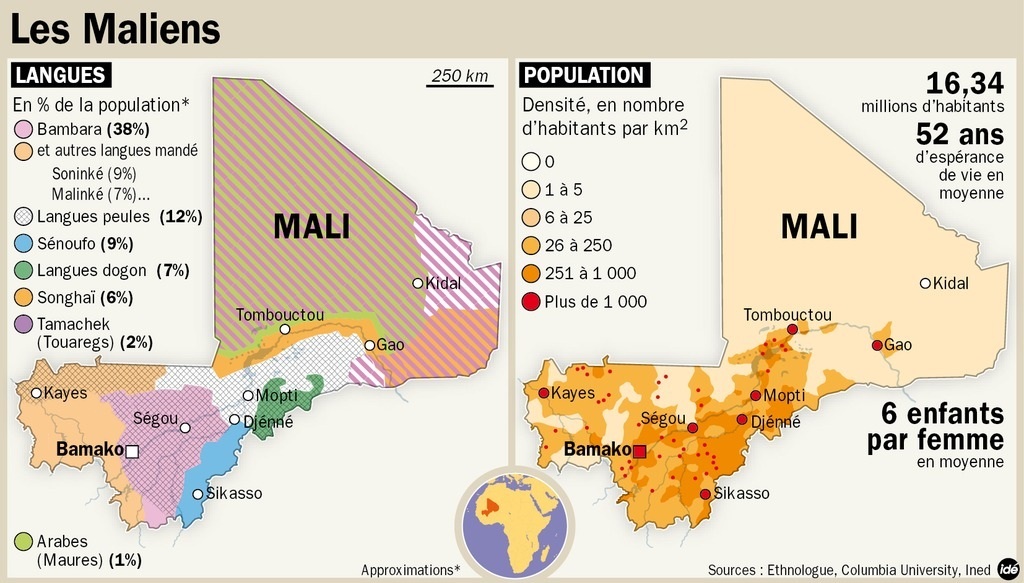
So what does this new deal mean for Mali? The good things are that Mali will get the international help it desperately needs right now. Humanitarian conditions are worsening and in the regions captured Malians are being forced under a rule of terror and religious law. We are thankful that our African neighbors are willing to provide boots on the ground to fight the rebels of the North and free our people that are being oppressed. Another good thing is sanctions are being lifted and the economy once again will breathe a sigh of relief as the flow of goods is restored. On the other hand, no time line has been set in place, on when the change of power will happen. The junta promise that it will be soon. Also, the agreement hints it might be impossible to hold elections within 21-40 days as dictated by the constitution because of the attacks on Mali’s territorial integrity. Before elections can be held, territories need to be regained or let go. To clarify, the regions of Tombouctou, Gao and Kidal do not just hold a Tuareg population. These regions hold a higher percentage of Songhai and Peul. So to allow these territories to just “go” as some countries are suggesting would be to deny citizenship to certain ethnicities that have been part of Mali for centuries.

Mali's various ethnicities

All in all there are some steps in the right direction. It is a hope that the humanitarian crisis will end soon and our brothers and sisters in Gao, Kidal and Tombouctou may once again be free. Within the weeks to come the date of the election will be established as a transitional government is put in place.

The election will go forward. Please continue to show your support at www.samake2012.com. We need you with us as we continue this historic journey. Spread the word, the campaign continues! The spirit of democracy in Mali that is Samake2012 lives on!

For those interested, the agreement (translated into English) reads as:

Whereas a return to constitutional normality requires compliance with the constitution of 25 February 1992 which, in Article 36 organizes the Acting President of the Republic in case of vacancy or incapacity.

Read the rest of this entry »

 
5 Comments

Posted by on April 7, 2012 in Past Posts


Tags: , , , , , , , , , , , , , , , , , , , , , , , , , , , , , , ,

A Double Whammy: The North Falls and the Refugee Count Rises

As the weekend passed, the new work week invited new changes in Mali. Over the weekend, MNLA and AQIM made advances in the North and as Mali watched, the three biggest regions of Gao, Kidal and Tombouctou fell. This could have been possibly the worst thing that could have happened at this critical time. As soldiers found themselves ill-prepared and distracted, these rebels took over the North and the count of captured territories increased.

These takeovers further cement how inadequate this new regime is to handle the various issues of Mali. The very issue of the North that caused them to revolt is now biting again. In addition, we are starting to hear residents in those areas report that the Islamists are ordering Western pictures to be taken down and Sharia law is already being implemented in Timbuktu. As the reports of change came out of the North, last night the countries around Mali followed through on their promise of sanctions locked down their borders. Under the sanctions, the five neighboring ECOWAS members will close their borders with landlocked Mali except for humanitarian purposes. Its member states are to deny Mali access to their ports, freeze Mali’s accounts in regional banks and suspend Mali’s participation in cultural and sporting events. Also in the works, is the possible deployment of 2000 military soldiers from the neighboring countries. It is still confusing as to whether these soldiers will attempt to take down the military leadership or be deployed to fight rebels in the North.

Sanctions could be disastrous for Mai that relies on imports for most of its goods. The biggest one is fuel as Mali imports all its fuel from neighboring Ivory Coast. No fuel could spell trouble for gas stations and residents. Yesterday night, when the embargo was announced, people rushed to gas stations to fill up afraid that fuel would run out. Also with the banks being cut of the money supply, residents that rely on banks could be very affected. Most Malians however do not bank and so this might not be a thing that affects them. Rising food prices and things like cement and fuel being in short supply are more likely to happen as Malians adjust to the sanctions.

Sanogo, continues to say he will hand back power and in the face of sanctions, he continues to make these promises without attaching a deadline. Yeah continues to work with other political parties to make leaps and bounds that hopefully will see results. The hope is for Sanogo to cede power peacefully. Already Yeah and his team are in talks with the different embassies and also different organizations that can help facilitate this process. Now is the time for peace talks, not sanctions and threats. Now is also the time to start backing our army with better prepared and equipped outside forces so that the rebels do not decide to consider taking their offensive further south.  It certainly will back fire to have a radicalized violent extremist movement well rooted in Northern Mali.  This is bound to threaten regional stability.

If the sanctions continue, it could be disastrous. Already the Northern regions are experiencing deteriorating conditions. In addition to a drought and extremely hot weather, almost 200000 refugees are displaced by the fighting in the region. These individuals need help now. There are children that are dying every day because of inability to get food and water. The heat is unbearable and makes conditions even worse. April is the hottest month for Mali and here temperatures in the North easily reach 120F. Now more than ever, our Malian brothers and sisters need your help. We need funds that can not only handle the immediate concern of improving their living conditions. Once we have answered that need, a need to stabilize them in society becomes essential.

A rising count. 2000 in the last 5 days!!

I have said it before, but I am compelled to say it again. People in the world need to realize that the refugee issue is not just a Mali issue; it is a human rights issue. We have refugees that are living in despicable conditions with little to no resources. Our teams have been attempting to raise refugee aid to help our displaced Malian brothers and sisters while the issue in the North plays out. We are calling on the international community to step up aid to these displaced people so that basic necessities like food, water and shelter are given them so that we don’t have a similar issue like that in Sudan and Somalia. Those interested in doing so through the Samake 2012 campaign may make anonymous donations to a trust that has been set up:

Friends of Mali Trust

472 East 4380

North Provo, Utah 84604

As soon as the current violence ends in the north, a new need will arise: Helping those who have been displaced to return and resettle into productive lives.  In East Africa, many displaced populations have suffered for years – prohibited from finding local employment near their shantytowns, they have become dependent upon western aid organizations. In some cases, these camps have witnessed second and even third generations growing up in these conditions.

Mali must be different. The people of Mali are strong and independent.   Beyond the immediate aid needed to sustain life, we also seek just enough aid to help families return to their formerly productive lives.

If you can help today, help make a difference. Every little bit helps.

 
4 Comments

Posted by on April 3, 2012 in Past Posts


Tags: , , , , , , , , , , , , , , , , , , , , , , , , , , , , , , , , , ,

Getting Democracy back on Track

UN PEUPLE, UN BUT, UNE FOI ( ONE PEOPLE, ONE GOAL, ONE FAITH) IN OUR COUNTRY MALI

The past week has been an eye opener to not take things for granted. A democracy that had become the beacon and lesson for other countries in Africa was pulled to its feet. As the world watched, a coup led by junior army officers brought down the soldier of democracy himself, Amadou Toumani Toure (ATT).

Much of the Western world has responded in addition to the surrounding African countries requesting a swift return to democracy. The US, EU and ECOWAS have issued sanctions and in some cases threatened them if democracy does not return. So why is democracy so important? Democracy is a relatively fresh concept for many Africans and even at that those countries that have democracies and have elected leaders, eventually find themselves distanced from the very leaders that they put in power. Democracy which entails the formation of policies and determination of state’s role becomes a hard sell in general for so called young African democracies that do not see an exchange of this sort at the local level. In order for democracy to succeed and truly be embraced, leaders need to involve their constituents in running the government. Constituents need to see how laws passed affect them at a local level. For democracy to succeed, local participation should not only be hoped for, it is essential.

Mali had been a democracy for 20 years. The one thing that weakens a democracy like no other is when there is a vast difference between the elite that make the rules and the majority of Malians. Mali has been independent for 52 years, but has seen little improvement in healthcare, education and the poverty standards. Despite an influx of NGOs, unless the Malian government takes a personal stance literacy will stagnate at 46%. 1 doctor will continue to serve 20000 people. The average life expectancy will remain 52 years—almost 30 years shorter than the average Westerner. A huge percentage of the population will continue to live below the international poverty line of 1.25USD a day. The biggest challenge remains the institutions that have been created to resolve these issues. In addition, while great foreign investments have happened in terms of infrastructure, Mali has seen little investment to enhance its primary strength in the agricultural field. 70% of Malians work in agriculture; however, changing climate and the demand on food has made Mali very dependent on importing a majority of its food. More investments need to be made to make Mali self-sustainable and profitable in the agricultural arena.

The new leader will have a plateful of challenges.

  1. Teaching a man to fish: Education needs to be an important part of a new Mali. Today with 46% of the population literate, Mali has very few Bachelor degree holders and even fewer Master degree holders. Very few PhD holders will ever return to Mali because of the lack of opportunity. The new leader will need to increase the number of schools in the rural areas; pay teachers better and make education mandatory. Today, children are favored to work in the fields rather than in the classroom because the first option yields an income for the family. By providing incentives to children and their parents to enroll in school as well as making schools accessible, education can become a reality for many Malian students. Yeah hopes to build 1000s more schools as soon as he comes into office as well as hiring more teachers. He hopes that each region will have its own university and that the strikes that have ravaged the educational systems since 2009 can be resolved with better pay and more investment in the student’s future.
  2. The healthcare situation in Mali is despicable. The average Malian finds healthcare unaffordable and unreachable. With the life expectancy very low and the death from preventable diseases very high, Yeah hopes to build hospitals in every region. Ouelessebougou will have its first hospital in the area that will house a maternity center, pharmacy and eye/dental center. In addition, it will be important to make Mali a safe haven for medical expeditions that come to serve the people of Mali. Through our years we have been blessed to meet many giving hearts and hands and we hope that they will continue to come and bless the people that need it most in Mali.
  3. Jobs: Malian people are not asking for a handout. No one likes to beg and Malians are no exception. However, circumstances currently do not give much choice and it is hard to pass a street without seeing a hoard of hungry children or a mother with a baby on her back and another two in her hands. An important task will be to create jobs for the individuals graduating and also those in the unemployed middle class. Mali’s unemployment is gauged around 30% and is evident in the streets where young men sit hoping that opportunity knocks. Yeah has been able to create jobs with the hospital, school and solar panel field. Also with the cotton plant reopening in Ouelessebougou, 100 more individuals have a paycheck.
  4. A security issue: The north is becoming more and more an Al-Qaeda battle ground. The issue of sovereignty has existed for a few centuries with the Tuareg feeling unappreciated and unaccounted for in a government they elected. The only reason Al Qaeda stands a chance in Mali is that our youth are desperate for opportunities. Normally our people are not prone to radicalization. The Tuaregs in the North believe they have been marginalized—that the government is not serving them.
  5. All these things can only be instituted if you have a government that is not riddled by corruption and institutions that are run effectively and efficiently. Many current government institutions are riddled with inefficiencies and bureaucracy.

Democracy is not lost. This is evident in the opinion polls where 74.5 % prefer democracy to any other regime type. However it has been hit hard in Mali. More than half of Malians feel that government has not served its purpose. Malians for the most part believe government is there to make their lives better. Lives have not gotten better.

Once the immediate security threat of MNLA is crushed, it will be important to start creating stability for our Northern brothers and sisters and also creating opportunities in the North for the refugees displaced by all the fighting. Then it will be important to return to the democratic process and allow Malians to truly choose their candidate unbiased by money and favors.

I truly believe that Malians need a leader with a vision. I truly believe that they need young blood that has been untainted by lives lost and the people’s money stolen. I believe the people of Mali will find a leader who cares in Yeah Samake. Yeah has been distraught over the current crisis that has gripped Mali. Today he told me:” My heart is crying for my country”. I hope that the leaders that are running the country today will work with the international community to end the Northern rampage of MNLA. I hope that international organizations will not forget my people suffering the North. I hope and pray that democracy will be restored temporarily with an interim government and then with free and fair elections. But most of all, I hope Mali will get the leader it so desperately needs that can show his people that there is hope and that Mali can be a great country not made great by foreign aid but by Malians themselves.

Democracy can be and will be restored. Make your voice heard at www.samake2012.com. Support Samake for Democracy!

SAMAKE FOR DEMOCRACY!

 
1 Comment

Posted by on March 31, 2012 in Past Posts


Tags: , , , , , , , , , , , , , , , , , , , , , ,

Kidal Falls

A landlocked country, sanctions could mean devastating economic trouble

Today we find ourselves in the first 24 hours of the threatened economic sanctions that will be imposed in 48 more hours by ECOWAS if Mali’s junta does not hand over power to the people. To be vigilant, we decided to stock up on things like water, drink cases, rice, potatoes and sugar. If ECOWAS does impose sanctions it will cause great harm to the Malian individual. It strikes me as ridiculous that the UN would actually make a statement saying that they hoped the individual would not be harmed by these sanctions. Sanctions do not harm governments, they harm individuals. The junta has apologized for the protestors that rushed onto the tarmac, causing a security scare to the oncoming ECOWAS plane. They have asked that ECOWAS leaders not to be hasty in their decision but rather to understand the circumstances of the coup and how the junta leaders are attempting to resolve Mali’s economic concerns and the security issues in the North.  The old constitution of Mali stated that if the President resigned, power would be handed over to the head of the National Assembly. In this case the head of the old Assembly is Diacounda, a presidential candidate and one of the very leaders that the junta has accused of stealing from the country and showing ineffective leadership. In addition, Diacounda is not liked by a majority of Malian people. However ECOWAS is asking that they would accept a resolution with Diacounda being placed as the interim President.

If the junta does allow this to happen, Diacounda would be taken out of the running in any elections held for the Presidency. If ECOWAS continues to push its agenda, it will find itself hated by Malians who will see it as bullying tactics pure and simple. A bigger, more complex issue would be to deal with the dissatisfaction of the people. The Malian people are very supportive of the junta currently. Not because they believe in the coup and the end of democracy, but because of their frustration with the old government. Malians do not believe their government has served them. They see corruption and nepotism rampant and when the coup happened, it seemed the answer they were looking for to end the situation of an inept government. This explains the sentiment that runs high in the protests in the streets.

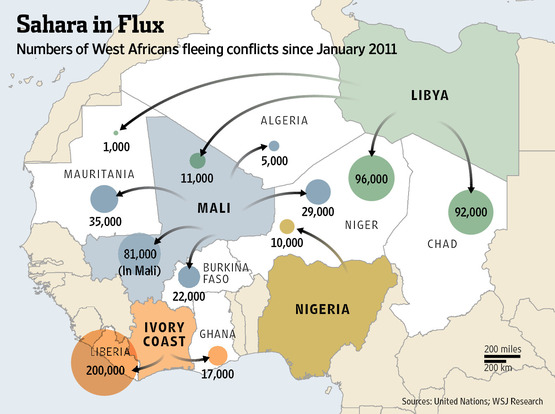
However, this sentiment may soon find itself conflicted. Today, the Northern town of Kidal, which has about 25,000 Malians, came under attack by MNLA and was taken over by the rebels. Kidal is a major town and in all disputes it has never been taken over so this takeover could be disastrous. The reason behind the coup was the military’s dissatisfaction with ATT sending them into battle unprepared and uncared for. Now with Kidal falling to rebel control, it begs the question, what is the military doing so we don’t lose more territories in the North and cause a bigger humanitarian crisis with the refugees. The refugee crisis is worsening with each passing day and as each town falls, more and more escape into neighboring areas and countries.

Wall Street Journal: The displaced and fleeing numbers

The military this afternoon, called on the international community to provide them with assistance with the rebels in the North. This is a large favor to ask, given that in the world’s eyes, this junta isn’t even considered a legitimate leader.

At this point in time the junta looks like it’s stuck between a rock and a hard place. If it does not give in to ECOWAS it will have sanctions imposed which could cause an economic crisis. If it does not stop more towns like Gao and Tombouctou from falling to the rebels, the Malian people might turn against the soldiers that a week ago were saviors. The next week will spell the junta’s fate and that of 15 million people.

Please continue to keep the people of Mali in your prayers. They are the ones that are suffering with each passing day. May a quick resolution be sought so democracy may be restored in a peaceful manner. May the international community support Malians so that no more lives are lost or families displaced in the North. May peace once again be returned to Mali.

 
1 Comment

Posted by on March 30, 2012 in Past Posts


Tags: , , , , , , , , , , , , , , , , , , , , , , ,